From Ho Chi Minh City To Siem Reap: Discovering The Heart Of Vietnam And Cambodia
Vietnam and Cambodia are often paired together on a single holiday, and after recently travelling through both countries, it's easy to understand why.
While they share a border and the mighty Mekong River flows between them, each offers a very different experience. Vietnam brings vibrant cities, bustling markets and an infectious energy, while Cambodia offers a slower pace, fascinating history and some of the world's most remarkable cultural sites.
What makes the combination so rewarding is the contrast. One day you can be navigating the organised chaos of Ho Chi Minh City, the next exploring peaceful waterways in the Mekong Delta, before finding yourself standing in front of Angkor Wat as the sun begins to set.
This journey took us from southern Vietnam through the Mekong region and into Cambodia, finishing in Siem Reap. Along the way we discovered floating markets, tranquil nature reserves, royal palaces, moving historical sites and some of the warmest people we've met anywhere in the world.
Ho Chi Minh City: Vietnam's Energetic Southern Capital
Our journey began in Ho Chi Minh City, still often referred to by its former name of Saigon. It's a city that immediately grabs your attention.
The first thing most visitors notice is the traffic. Thousands of scooters weave through the streets in what initially appears to be complete chaos, yet somehow everything keeps moving. It feels fast-paced, energetic and exciting from the moment you arrive.
Beyond the traffic, Ho Chi Minh City offers a fascinating blend of old and new. French colonial buildings sit alongside modern skyscrapers, while traditional street food stalls operate just steps away from stylish rooftop bars and contemporary restaurants.
The city is also a fantastic introduction to Vietnamese culture. Markets buzz with activity, cafés spill onto pavements and there is a constant sense of movement wherever you go. It's the kind of place where simply wandering the streets can become one of the highlights of your visit.
Exploring The Mekong Delta
Leaving the city behind, we headed towards the Mekong Delta, a region that provides a completely different perspective on life in Vietnam.
Often referred to as the country's rice bowl, the delta is a vast network of rivers, canals and fertile farmland that supports millions of people. Life here remains closely connected to the water, with many communities relying on fishing, farming and traditional crafts.
One of the most fascinating aspects of visiting the Mekong Delta is seeing how many traditional skills are still practised today. Local workshops continue to produce rice paper, sweets and other products by hand using techniques passed down through generations.
The markets are equally memorable. Colourful displays of fruit, vegetables, herbs and spices sit alongside a variety of produce that may surprise many Western visitors. It can be eye-opening at times, but it offers an authentic glimpse into everyday life and the realities of living in this part of the world.
What stood out most was how welcoming people were. Despite the language barrier, smiles were never in short supply and there was a genuine sense of pride in sharing local traditions with visitors.
Tra Su Forest Sanctuary: One Of Vietnam's Hidden Gems
One of the biggest surprises of the trip was Tra Su Forest Sanctuary.
Located near the Cambodian border, this protected wetland feels a world away from the busy cities and crowded tourist attractions often associated with Southeast Asia.
Small rowing boats glide quietly through narrow waterways lined with cajuput trees, while lotus flowers and water lilies cover parts of the water's surface. The only sounds are birds calling overhead and the gentle splash of oars moving through the water.
The sanctuary is home to more than 70 species of birds and offers a completely different side of Vietnam that many visitors never experience.
Climbing the observation tower provided incredible views across the surrounding wetlands and helped us appreciate just how vast and untouched this landscape really is.
For those looking to experience a quieter, more natural side of Vietnam, Tra Su was one of the standout moments of the entire journey.
Crossing Into Cambodia
One of the most interesting parts of the journey was crossing from Vietnam into Cambodia. While the two countries share many connections through the Mekong region, the atmosphere begins to change almost immediately.
The landscapes become more rural, the pace slows down and there is a noticeable shift in culture, architecture and daily life. It's a reminder that despite their proximity, Vietnam and Cambodia each have their own distinct identity.
For many travellers, Cambodia is best known for Angkor Wat, but the country offers so much more than its most famous attraction.
Phnom Penh: Royal Palaces And Riverside Life
Cambodia's capital often surprises first-time visitors.
Situated at the meeting point of the Mekong and Tonlé Sap rivers, Phnom Penh is a city that successfully blends tradition and modern life. Wide boulevards, French colonial buildings and colourful temples sit alongside busy markets, modern cafés and a growing food scene.
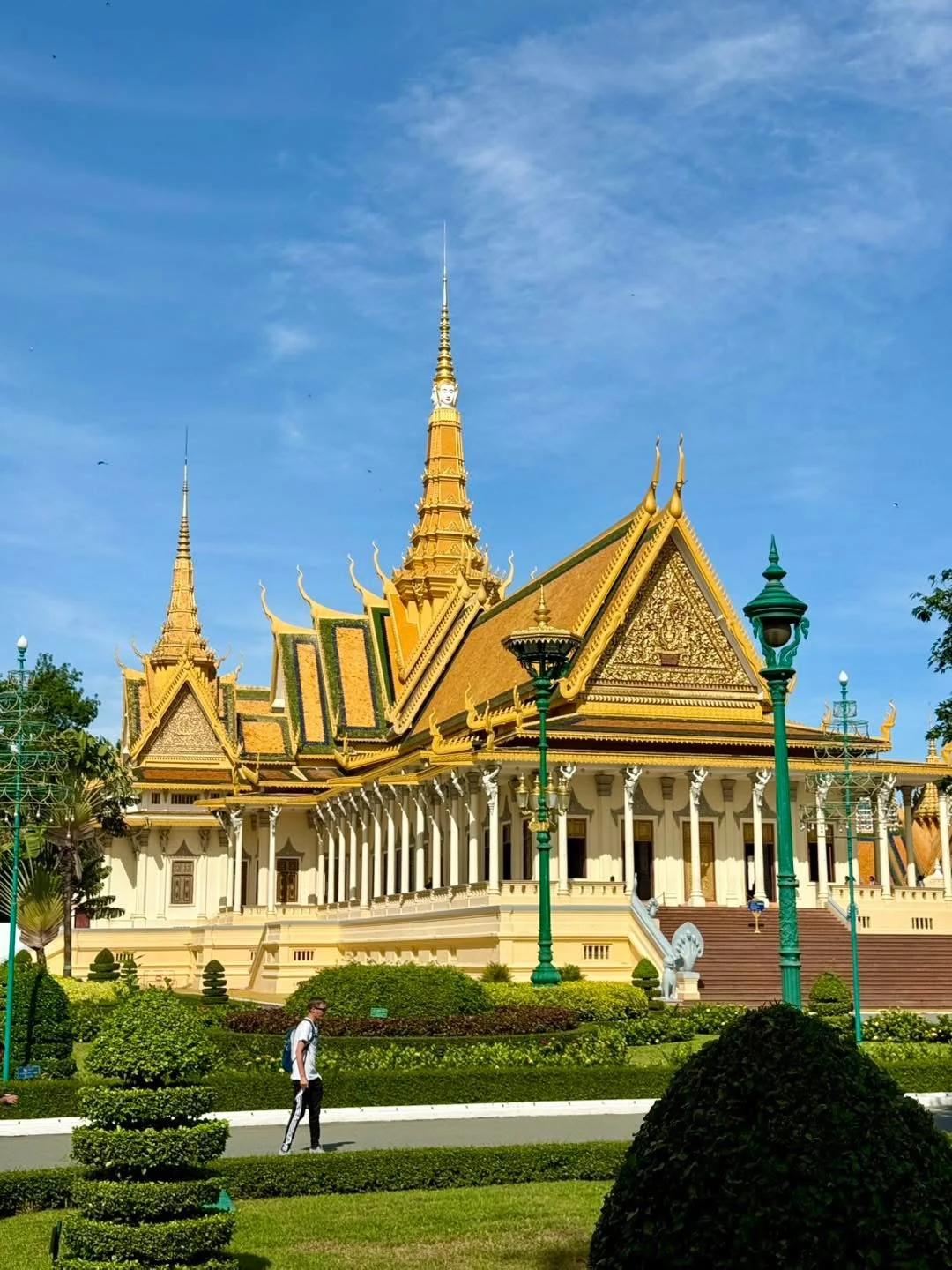
One of the city's most impressive landmarks is the Royal Palace. With its golden roofs, beautifully maintained gardens and intricate Khmer architecture, it offers a fascinating insight into Cambodia's royal heritage.
Within the palace grounds sits the Silver Pagoda, named after the thousands of silver tiles that form its floor. It remains one of the country's most important cultural and religious sites.
The Central Market offers a completely different experience. Housed within an impressive Art Deco building, it is a lively place where locals shop for everything from fresh produce and clothing to jewellery and household goods. It's a wonderful place to experience everyday life in Phnom Penh.
Understanding Cambodia's Past
While Phnom Penh offers plenty of beauty and energy, understanding Cambodia's recent history is an important part of any visit.
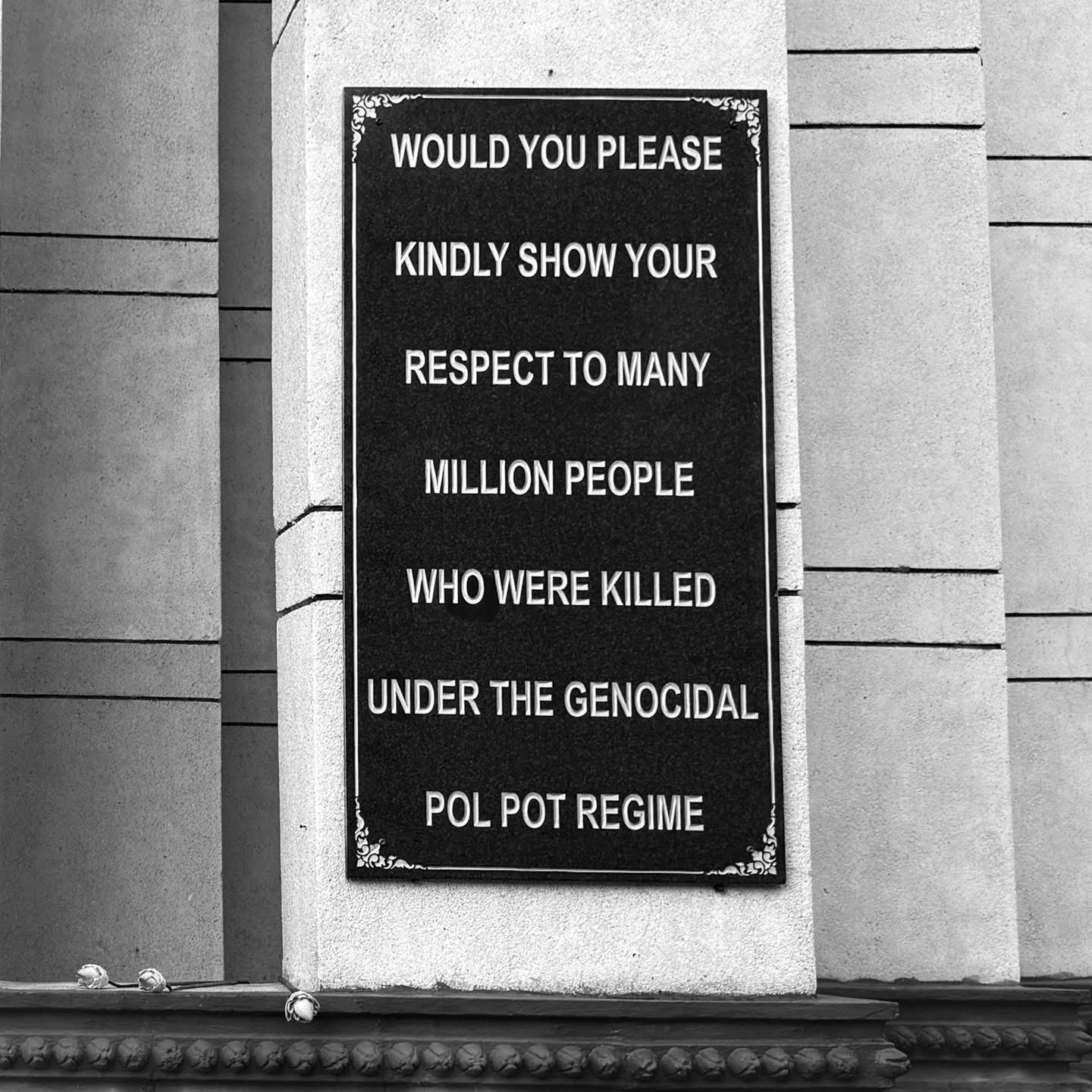
A visit to the Tuol Sleng Genocide Museum and the Killing Fields provides a sobering but essential insight into the atrocities committed during the Khmer Rouge regime in the 1970s.
These are not easy places to visit, nor should they be. They tell the story of one of the darkest periods in Cambodia's history and help visitors understand the resilience and strength of the Cambodian people today.
What made this experience particularly powerful was hearing personal stories from local guides whose own families were affected by these events. History feels very different when told by those who have lived through its consequences.
While emotional, these visits are often among the most memorable experiences travellers take away from Cambodia, providing important context for the country's remarkable recovery and development.
Oudong And Rural Cambodia
Away from the cities, Cambodia reveals another side of itself.
The former royal capital of Oudong sits amongst rolling countryside and offers a glimpse into the country's spiritual traditions and rural way of life.
One of the most memorable experiences here was visiting a Buddhist monastery and taking part in a traditional blessing ceremony. Simple, peaceful and deeply meaningful, it offered a fascinating insight into the role Buddhism continues to play in Cambodian society.
The climb to the top of Oudong Mountain is rewarded with panoramic views across the surrounding countryside. Looking out across the landscape, it's easy to appreciate just how rural much of Cambodia remains.
Moments like these often become the memories that stay with you long after returning home.
The Warmth Of Cambodian Communities
While the famous landmarks are impressive, some of the most rewarding experiences came from meeting local people.
Travelling through smaller communities provides a valuable opportunity to learn about daily life, education and the aspirations of future generations. Despite often having far fewer resources than many of us are accustomed to, the warmth, positivity and hospitality shown by local people was genuinely inspiring.
One particular visit to a local school left a lasting impression. The children were eager to practise their English, share their stories and learn about visitors from around the world. Their enthusiasm, confidence and optimism were impossible not to admire.
Experiences like these serve as an important reminder that travel is often at its most rewarding when it helps us better understand the lives of others.
Siem Reap: More Than Just Angkor Wat
The final stop on our journey was Siem Reap, and it quickly became one of the highlights of the entire trip.
While most visitors arrive because of nearby Angkor Wat, the city itself deserves far more attention than it often receives.
With its tree-lined streets, attractive riverside setting, bustling night markets and excellent restaurants, Siem Reap has a welcoming atmosphere that encourages visitors to slow down and stay awhile.
There is a noticeable French influence throughout the city, adding an extra layer of charm to the cafés, boutique hotels and relaxed pace of life.
As evening arrives, the city comes alive. Night markets fill with colour, local food stalls tempt visitors with traditional Cambodian dishes and the lively atmosphere around Pub Street creates a wonderful energy without feeling overwhelming.
Of all the places we visited, Siem Reap was perhaps the biggest surprise and one we would happily return to.
Sunset At Angkor Wat
No visit to Cambodia would be complete without experiencing Angkor Wat.
Widely regarded as one of the most important archaeological sites in the world, this vast temple complex is every bit as impressive as its reputation suggests.
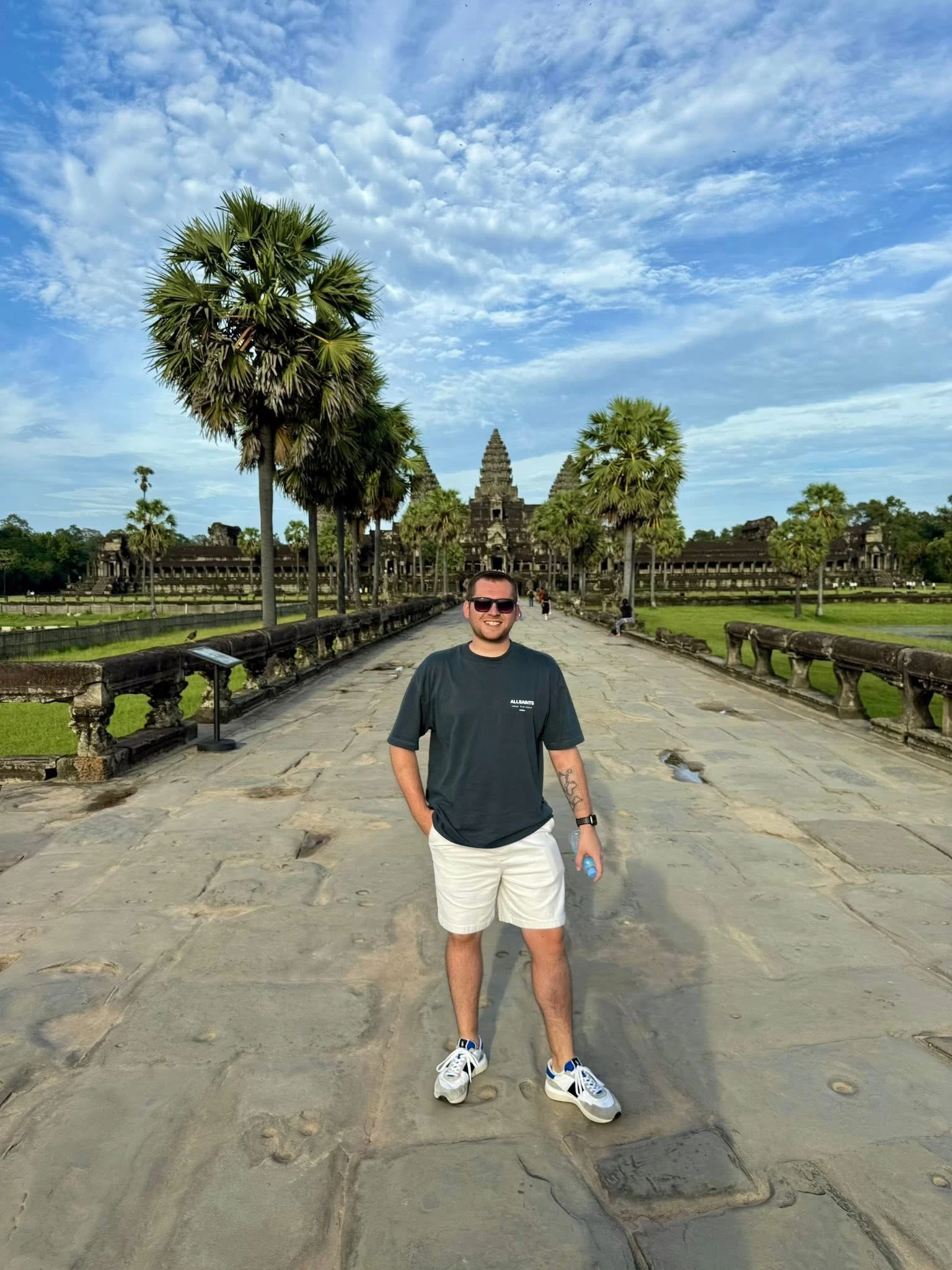
We chose to visit at sunset, watching as the warm evening light transformed the ancient stone structures into shades of gold and amber. It was one of those travel moments that photographs struggle to fully capture.
The scale of the site is extraordinary, but it is the atmosphere that often leaves the biggest impression. Standing amongst structures that have survived for centuries creates a real sense of connection to Cambodia's remarkable history.
Whether you visit at sunrise or sunset, Angkor Wat is one of those rare places that genuinely lives up to expectations.
Why You Shouldn't Overlook The Green Season
Many travellers automatically focus on the dry season when planning a visit to Southeast Asia, but our experience travelling during the green season completely changed our perspective.
The landscapes were incredibly lush and vibrant, rice fields were bright green and many of the regions we visited felt more alive because of the recent rainfall.
The rain itself was rarely disruptive. More often than not it arrived as a short afternoon downpour before quickly clearing, bringing welcome relief from the heat and humidity.
Another benefit was the lack of crowds. Many of the major attractions felt quieter and more relaxed than they might during the peak tourist season.
Combined with attractive pricing and excellent availability, travelling during the green season proved to be one of the pleasant surprises of the entire trip.
Our View
Vietnam and Cambodia work exceptionally well as a combined holiday. Together they offer a wonderful mix of culture, history, food, scenery and authentic local experiences.
What stood out most throughout this journey was the variety. One day we were navigating the energy of Ho Chi Minh City, the next drifting through peaceful wetlands, before finding ourselves exploring royal palaces, learning about Cambodia's complex history or watching sunset over Angkor Wat.
Siem Reap was perhaps the biggest surprise of all. While Angkor Wat is rightly famous, the city itself has a charm and atmosphere that makes it worth visiting in its own right.
We also came away convinced that the green season deserves far more attention than it often receives. Fewer crowds, lush scenery and excellent value made it a fantastic time to travel.
For anyone looking to experience Southeast Asia for the first time, Vietnam and Cambodia offer an unforgettable introduction.
Kyle's Top 5 Memories From Vietnam And Cambodia
After travelling through Vietnam and Cambodia, there were plenty of unforgettable moments, but these are the experiences that stood out the most:
- Watching Sunset At Angkor Wat
Seeing the iconic temples bathed in golden light as the sun began to set was a truly special experience and one of those travel moments that will stay with me forever.
- Exploring Tra Su Forest Sanctuary
Gliding through the peaceful waterways of Tra Su Forest surrounded by birds, lotus flowers and towering cajuput trees felt like stepping into another world.
- Discovering The Energy Of Ho Chi Minh City
From the endless stream of scooters to the bustling markets and incredible street food, the city was a fascinating introduction to Vietnam.
- Learning About Cambodia's History
Visiting S21 and the Killing Fields was a deeply moving experience. While emotional, it provided important insight into Cambodia's past and the resilience of its people.
- Meeting Local Communities Along The Way
Whether it was chatting with market vendors, visiting local villages or spending time with children at a Cambodian school, it was the warmth and friendliness of the people that often left the biggest impression.
Frequently Asked Questions about Vietnam and Cambodia
When is the best time to visit Vietnam and Cambodia?
Vietnam and Cambodia can be visited throughout the year, although weather conditions vary by region. Many travellers choose to visit during the dry season, but the green season can offer lush landscapes, fewer crowds and excellent value. During our visit, rainfall was typically limited to short afternoon showers, allowing us to enjoy the destinations while benefiting from quieter attractions and greener scenery.
How many days do I need for Vietnam and Cambodia?
To experience both countries properly, we would generally recommend allowing at least 10 to 14 days. This gives you enough time to explore destinations such as Ho Chi Minh City, the Mekong Delta, Phnom Penh and Siem Reap without feeling rushed. Longer itineraries can also include Hanoi, Halong Bay or some of Vietnam's beautiful beaches.
Is Angkor Wat worth visiting?
Absolutely. Angkor Wat is one of the world's most impressive archaeological sites and a highlight of any visit to Cambodia. Whether you visit at sunrise or sunset, the scale, history and atmosphere of the temple complex create an experience that most travellers never forget.
Is Vietnam or Cambodia better?
It's a question we're often asked, but the truth is they offer very different experiences. Vietnam is often known for its energetic cities, incredible food and diverse landscapes, while Cambodia offers fascinating history, welcoming people and world-famous sites such as Angkor Wat. For many travellers, the ideal option is to combine both countries into a single itinerary.
Is the green season a good time to visit Vietnam and Cambodia?
Yes. While many travellers focus on the dry season, the green season can be a fantastic time to visit. The countryside is lush and vibrant, visitor numbers are often lower and prices can be more attractive. During our trip, rainfall was generally brief and often helped cool the afternoon temperatures.
What Vietnam holidays can Tripse offer me?
At Tripse, we believe the best Vietnam holiday is the one that matches your interests, travel style and pace. Some travellers want to experience the energy of cities such as Hanoi and Ho Chi Minh City, while others are drawn to the natural beauty of Halong Bay, the beaches of central Vietnam or the cultural treasures of Hoi An and Hue.
We have a range of inspirational itineraries to help get you started, including our popular Vietnam and Cambodia: The Ultimate Journey, but these are designed to inspire rather than restrict. Every holiday can be tailored to suit your preferences. All you need to do is contact one of our Tripse Travel Experts who would love to help.
There are many different ways to experience Vietnam. Some travellers choose a tailor-made land itinerary combining Vietnam with Cambodia, while others prefer a fully escorted tour. Vietnam is also a popular destination for Mekong River Cruises, allowing visitors to experience life along one of Asia's most fascinating waterways. For those exploring the wider region, Vietnam can also be combined with destinations such as Singapore, Thailand, Malaysia and Japan as part of a longer Southeast Asia holiday.
Some travellers want to see as much as possible, while others prefer to slow down and spend more time getting under the skin of a destination. Whatever your travel style, we'll help you experience Vietnam in a way that feels right for you.
Final Thoughts
From the bustling streets of Ho Chi Minh City and the tranquil waterways of the Mekong Delta to the history of Phnom Penh and the ancient wonders of Angkor Wat, this journey showcases some of the very best experiences Vietnam and Cambodia have to offer.
Along the way you'll discover fascinating cultures, welcoming people, incredible food and landscapes that continually change from one destination to the next.
Whether you're planning your first visit to Southeast Asia or returning to explore more deeply, Vietnam and Cambodia offer a combination of experiences that few destinations can match.
If you're considering a holiday to Vietnam, Cambodia or a combination of both, our Tripse Travel Experts can help create an itinerary tailored to your interests, preferred pace of travel and budget.