Porto And The Douro Valley: Portugal's Perfect Combination Of City, Wine And Scenery
Some destinations seem to offer a little bit of everything, and Porto and the Douro Valley are a perfect example. Combining a vibrant city, world-famous wine, spectacular scenery and a relaxed pace of life, Porto and the Douro Valley are among the highlights of northern Portugal.
While many visitors first discover the region through a Douro River Cruise, it's equally rewarding to explore independently. In fact, one of the things that makes Porto and the Douro Valley so appealing is how easy it is to combine the two. Spend a few days exploring Porto's historic streets, riverside restaurants and famous Port wine lodges before venturing into the heart of the Douro Valley, where vineyard-covered hillsides and charming villages create some of Portugal's most beautiful landscapes.
Having recently visited the region, Denise quickly understood why so many travellers fall in love with this part of Portugal. In fact, Porto has become one of her favourite cities in Europe. Despite its growing popularity, it still feels relatively undiscovered compared to destinations such as Lisbon, Barcelona or Rome, while offering fantastic value for money, beautiful scenery and a wonderfully relaxed atmosphere. Another reason for its appeal is how easy it is to reach. Porto is now served by direct flights from a growing number of UK airports, making it accessible not only from London but also from many regional airports across the country. For travellers looking for a short break or a longer holiday, it's a destination that can often be reached in under three hours.
Whether you're planning a city break, a scenic rail journey through northern Portugal or a longer holiday exploring the region, Porto and the Douro Valley deserve a place on your travel wish list.
Porto: Portugal's Charming Northern City
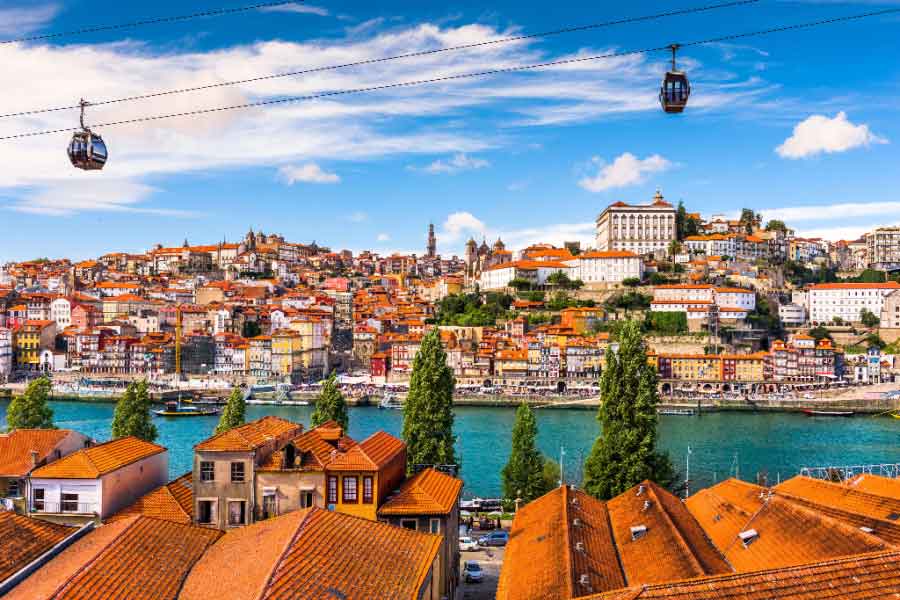
For many visitors, Porto is one of Europe's most underrated city destinations. Built along the banks of the Douro River, the city is known for its colourful riverside buildings, historic churches, lively atmosphere and rich maritime history. Unlike some European cities that can feel crowded and hurried, Porto has a more relaxed character that encourages visitors to slow down and enjoy their surroundings.
One of the things Denise enjoyed most about Porto was its versatility. Few European cities combine a historic riverside setting with easy access to the coast. Within around 15 minutes, you can swap the city's bustling cafés and historic streets for Atlantic beaches and ocean views, giving Porto a unique balance of city and coastal living.
Around every corner there seemed to be another viewpoint, hidden square, traditional café or impressive historic building waiting to be discovered. The Ribeira district is often where visitors begin. This UNESCO World Heritage-listed neighbourhood is the historic heart of the city, with narrow cobbled streets winding down towards the waterfront. Here you'll find colourful buildings, outdoor restaurants and wonderful views across the river towards Vila Nova de Gaia. It's the sort of place where it's easy to lose track of time while simply wandering and soaking up the atmosphere.
Crossing The Dom Luís I Bridge
Few landmarks are as closely associated with Porto as the Dom Luís I Bridge. Spanning the Douro River between Porto and Vila Nova de Gaia, the bridge offers some of the finest views in the city. From the upper level, visitors can look out across terracotta rooftops, church towers, the winding river and the famous Port wine lodges that line the opposite bank. Many visitors find themselves returning to this viewpoint several times during their stay. The scenery changes throughout the day, but it is particularly beautiful in the evening as the sun begins to set and the city lights start to appear. For many visitors, this becomes one of the defining images of Porto and it's easy to understand why.
São Bento Railway Station: More Than Just A Transport Hub
Even travellers with no interest in trains should make time to visit São Bento Railway Station. Located in the heart of Porto, it is often regarded as one of the most beautiful railway stations in Europe and has become one of the city's most visited landmarks. At first glance it appears to be a traditional station, but stepping inside reveals something quite extraordinary. The main hall is covered with more than 20,000 blue and white azulejo tiles, creating one of Portugal's most impressive works of public art. Designed by artist Jorge Colaço and completed in the early 20th century, the intricate panels depict key moments from Portuguese history, including royal events, historic battles and scenes of everyday life.
Photographs rarely prepare visitors for the sheer scale and detail of the artwork. Many people spend far longer here than originally planned. It's also a reminder that in Porto, even something as everyday as a railway station can become a cultural attraction in its own right.
The Food Of Porto
Porto is a fantastic destination for food lovers and one of the things Denise appreciated most was how much quality and variety the city offers.
Fresh seafood features heavily on many menus, while traditional Portuguese dishes can be found everywhere from family-run taverns to stylish riverside restaurants. One of the city's most famous dishes is the Francesinha, a hearty sandwich layered with different meats, covered in melted cheese and served with a rich tomato and beer-based sauce. The Ribeira waterfront is particularly popular for dining, offering beautiful views across the Douro River while enjoying local specialities and regional wines. Away from the waterfront, visitors will discover traditional cafés, bakeries and neighbourhood restaurants where the focus remains firmly on good food and generous hospitality. Combined with Porto's excellent value for money, the city's food scene is yet another reason why so many visitors leave planning a return trip.
The World Of Wine: A Museum That Surprised Denise
Located in Vila Nova de Gaia, overlooking the Douro River, The World of Wine, often simply known as WOW, is one of Porto's most modern attractions and one that completely exceeded Denise's expectations.
The first thing to know is that Denise isn't usually a museum person. Like many travellers, she often prefers spending her time outdoors exploring a destination rather than wandering through exhibition halls. However, WOW proved to be very different from a traditional museum experience. Spread across several interactive museums and experiences, WOW tells the story of Portugal through its wine, food, culture and traditions. The exhibitions are engaging, hands-on and designed to appeal to visitors of all ages, making them accessible whether you're a wine enthusiast or simply curious about the country. Of course, Port wine plays a starring role, but visitors can also learn about cork production, Portuguese history, gastronomy and the importance of wine to the country's economy and culture.
What impressed Denise most was how immersive the experience felt. Rather than simply reading information panels, visitors are encouraged to interact with the displays and discover the stories behind Portugal's most famous exports. For anyone spending a few days in Porto, WOW offers a fascinating introduction to the region and was one of the biggest surprises of Denise's visit.
The Famous Port Wine Lodges Of Vila Nova de Gaia
No visit to Porto would be complete without crossing the river to Vila Nova de Gaia, home to the city's famous Port wine lodges. For centuries, barrels of Port wine have been transported downriver from the Douro Valley before being stored, aged and blended in the cellars that line the waterfront today. Names such as Taylor's, Graham's, Sandeman and Ferreira have helped make Porto famous around the world.
Many of the lodges offer guided tours, providing fascinating insight into the history of Port wine and the unique production process that has shaped the region for generations. Most visits conclude with a tasting, allowing visitors to sample different styles while overlooking the city skyline. Even for those who are not regular wine drinkers, the stories behind the lodges and their connection to the Douro Valley make them well worth visiting. This is where the connection between Porto and the Douro Valley really begins to make sense. The city and the valley may offer very different experiences, but they are linked by a history and culture that stretches back hundreds of years.
The Scenic Rail Journey Into The Douro Valley
While Porto is a wonderful destination in its own right, no visit to northern Portugal would be complete without spending time in the Douro Valley. During her time in the region, Denise was struck by how often she spotted the railway line weaving alongside the river. Whether viewed from the road or from the water, the trains seemed to gently follow the course of the Douro through some of the valley's most spectacular scenery.
While many visitors choose to experience the region by river cruise, the railway offers another fascinating way to explore the valley. Departing directly from Porto, the line follows the Douro River deep into wine country, passing terraced vineyards, traditional villages and some of northern Portugal's most beautiful landscapes. One of the things that makes the journey particularly appealing is its authenticity. Unlike some scenic rail routes that are heavily geared towards tourism, the Douro line remains an important transport link for local communities. With relatively few people living throughout much of the valley, trains can often feel surprisingly quiet and relaxed, allowing passengers to fully appreciate the scenery unfolding outside the window. The route stays remarkably close to the river for much of the journey, providing views that rival many of the region's most popular sightseeing experiences.
For travellers who enjoy independent travel, the railway offers a wonderful alternative to exploring by road and a fantastic way to experience the beauty of the Douro Valley without needing to join a river cruise. In fact, it's one of the reasons our Porto & Douro Rail Break has become such a popular way to discover the region, combining time in Porto with a scenic journey into the heart of one of Portugal's most beautiful landscapes.
Peso da Régua: Understanding The Heart Of The Douro
One of the key towns in the Douro Valley is Peso da Régua, often simply known as Régua. While it isn't the prettiest town in the region and doesn't have the postcard charm of places such as Pinhão, it plays a hugely important role in the history and development of the Douro Valley. Today, it acts as one of the main gateways to the region and is often a base for visitors exploring the surrounding vineyards and wine estates.
A visit to the Douro Museum provides valuable insight into the history of the region. Located on the riverfront, the museum tells the story of the Douro Valley, its people and the centuries-old wine industry that has shaped the region. Through a combination of interactive displays, photographs and exhibits, visitors learn how the valley developed into one of the world's oldest demarcated wine regions and why Port wine became such an important export for Portugal. What Denise particularly enjoyed was that the museum focuses on far more than just wine. It also explores the challenges faced by local communities, the history of river transport, the evolution of the vineyards and the cultural traditions that continue to define the region today. For anyone wanting to better understand what makes the Douro Valley so special, the museum provides valuable context and helps bring the landscapes, vineyards and wine estates you see throughout the valley to life.
Lamego: One Of The Douro Valley's Hidden Treasures
While many visitors focus on the vineyards and river scenery, Denise discovered that one of the Douro Valley's most rewarding day trips lies just a short journey from Régua. Regular buses operate between Régua and Lamego four times a day, with the journey taking around 30 minutes, making it an easy excursion for travellers exploring the region independently. Compared to Régua, Lamego feels a little busier and has a more traditional Portuguese town atmosphere. While it isn't a large town, there are a handful of cafés, restaurants and shops, making it a pleasant place to spend a few hours exploring.
The town's most famous landmark is undoubtedly the magnificent Sanctuary of Our Lady of Remedies. Sitting high above the town, the church is connected to the centre by an extraordinary baroque staircase of almost 700 steps. The staircase itself is one of the most impressive sights in Portugal, with ornate fountains, decorative terraces and beautifully landscaped gardens creating a spectacular approach to the sanctuary. Visitors can either tackle the climb on foot or take a taxi to the top and enjoy the views on the way back down.
Lamego is often one of the biggest surprises for visitors exploring the Douro Valley. While the vineyards and river views may be what initially attract visitors to the Douro Valley, places like Lamego reveal another side of northern Portugal, rich in history, culture and local life.
Visiting A Traditional Douro Valley Quinta
No visit to the Douro Valley would be complete without spending time at one of the region's famous quintas. A quinta is a traditional Portuguese wine estate, and throughout the valley you'll find vineyards ranging from small family-run properties to some of the most prestigious wine producers in the country. Many welcome visitors, offering guided tours, wine tastings and the opportunity to learn more about the centuries-old traditions that have helped shape the region.
For many travellers, visiting a quinta becomes one of the highlights of their time in the Douro Valley. Beyond the wine itself, it's often the setting that leaves the biggest impression. Vineyards cling to steep terraced hillsides, olive groves stretch across the landscape and panoramic views extend across the river and surrounding countryside.
During her visit, Denise quickly realised that the Douro Valley is about much more than wine. The region's beauty, history and slower pace of life create an experience that can be enjoyed whether you're a wine enthusiast or simply someone who appreciates spectacular scenery.
Many visitors choose to reach the vineyards by local taxi, with drivers often happy to recommend nearby estates and arrange return journeys. It's a straightforward way to explore independently, particularly if you're staying in towns such as Régua or Pinhão.
For those looking for a more relaxed experience, our Porto & Douro Rail Break includes a private guided tour of the Douro Valley, allowing you to visit the region's highlights without having to worry about transport or planning. It's a wonderful way to gain a deeper understanding of the area while enjoying some of the most beautiful scenery in Portugal.
Pinhão: The Picture-Perfect Heart Of The Douro Valley
If there is one place that perfectly captures the beauty and character of the Douro Valley, it is Pinhão. Located just a short train journey from Régua, the village sits at the heart of the region's wine-producing landscape and is surrounded by some of the valley's most famous vineyards. While many visitors choose to visit as a day trip, others opt to stay overnight and enjoy a slower pace of life amongst the vineyards and rolling hills. Despite its reputation, Pinhão remains a relatively small village. There are a handful of hotels, restaurants and cafés, but the real attraction is the setting itself. Wherever you look, steep terraced vineyards rise above the river, creating some of the most recognisable scenery in Portugal. One of the village's most famous landmarks is its railway station. Like Porto's São Bento Station, it is decorated with beautiful blue and white azulejo tiles that depict scenes of traditional life in the Douro Valley, including grape harvesting, wine production and river transport. It's a small station, but one that perfectly reflects the history and culture of the region.
Pinhão is also a popular base for visiting nearby quintas, taking short boat trips on the river and simply enjoying the peaceful atmosphere that makes the Douro Valley so special.
Pinhão is exactly what many people imagine when they picture the Douro Valley. The combination of vineyards, river views, traditional architecture and relaxed village life makes it one of the most memorable destinations in northern Portugal. Whether you visit for a few hours or choose to stay a few nights, Pinhão offers a wonderful opportunity to slow down and experience the Douro Valley at its very best.
The Douro Valley Is About More Than Just Wine
While the Douro Valley is undoubtedly one of the world's great wine regions, Denise quickly realised that you don't need to be a wine enthusiast to fall in love with the area. What makes the valley so special is the combination of landscapes, history and atmosphere. The river winds its way through steep terraced hillsides that have been cultivated for centuries, creating scenery that feels almost unchanged by time.
Whether you're travelling by train, visiting a traditional quinta, exploring villages such as Pinhão or simply enjoying lunch overlooking the vineyards, there is a sense of calm that is increasingly difficult to find in many of Europe's more visited destinations.
The valley also offers a wonderful contrast to Porto. While the city provides culture, history, restaurants and lively waterfronts, the Douro Valley encourages visitors to slow down, take in the views and appreciate a very different side of Portugal.
For photographers, food lovers, walkers and anyone who enjoys discovering authentic destinations, the region has plenty to offer beyond its famous wines. In fact, some of Denise's favourite memories came not from wine tastings, but from simply admiring the scenery, exploring local towns and watching everyday life unfold along the river.
It's this balance that makes Porto and the Douro Valley work so well together. One offers the energy of a city, the other provides space to slow down and reconnect with the landscape.
Our View
Having recently visited Porto and the Douro Valley, it's easy to understand why this region has become one of Denise's favourite destinations in Europe. What makes it so special is the variety. Few destinations combine a vibrant riverside city, world-famous wine region, beautiful countryside, historic towns and easy access to the coast quite so effortlessly. One day you can be wandering through Porto's colourful streets, enjoying lunch by the river and exploring historic landmarks. The next, you can find yourself surrounded by vineyards and rolling hills in the heart of the Douro Valley.
Despite its growing popularity, the region still feels relatively undiscovered compared to many of Europe's better-known city break destinations. There is a relaxed atmosphere throughout northern Portugal that encourages visitors to slow down and enjoy the experience rather than rushing from one attraction to the next.
Another pleasant surprise was the value for money. Whether dining in local restaurants, enjoying a glass of wine overlooking the river or exploring the region's attractions, Porto and the Douro Valley often offer excellent value compared to many other European destinations.
What Denise particularly liked was that there are several different ways to experience the region. Some travellers may prefer a Porto city break, others might choose to combine Porto with a stay in the Douro Valley. Many visitors enjoy exploring independently by rail, while others prefer a guided tour or a Douro River Cruise. There is no right or wrong way to experience northern Portugal.
For Denise, the combination of Porto and the Douro Valley is what makes the destination so appealing. Porto provides culture, food, history and atmosphere, while the Douro Valley offers some of the most spectacular scenery in Europe and a chance to slow down and enjoy a different pace of life. Whether you're looking for a short break, a scenic rail journey, a wine-focused escape or a longer exploration of Portugal, this is a destination that deserves a place on your travel wish list.
Denise's Top 5 Experiences In Porto And The Douro Valley
Having recently explored Porto and the Douro Valley, there were plenty of memorable moments, but these are the experiences that stood out the most.
- Watching The Sunset From The Dom Luís I Bridge The views from the bridge are spectacular at any time of day, but there is something particularly special about watching the sun begin to set over Porto's rooftops and the Douro River. It's one of those simple travel moments that perfectly captures the atmosphere of the city.
- Discovering Porto's Hidden Corners From the colourful Ribeira district to quiet squares, traditional cafés and riverside walks, Porto is a city that rewards those who take their time. Denise loved simply wandering through the streets and discovering what was around the next corner.
- Visiting The World Of Wine (WOW) As someone who wouldn't normally put museums high on a travel wish list, Denise was surprised by just how much she enjoyed WOW. The interactive exhibits, fascinating stories and engaging displays made it one of the unexpected highlights of the trip.
- Exploring Pinhão And The Douro Valley Surrounded by terraced vineyards and rolling hills, Pinhão feels like the postcard image of the Douro Valley. Whether admiring the scenery, visiting a local quinta or simply enjoying the peaceful atmosphere, it perfectly captures the character of the region.
- Visiting Lamego And The Sanctuary Of Our Lady Of Remedies The spectacular staircase leading up to the sanctuary was one of the most impressive sights Denise encountered during her time in northern Portugal. Combined with the town's relaxed atmosphere and local character, Lamego proved to be one of the biggest surprises of the trip.
Frequently Asked Questions
How Many Days Do You Need In Porto And The Douro Valley?
For most travellers, we would recommend at least 4 to 5 days. This allows time to explore Porto's historic centre, visit some of the city's main attractions and spend time in the Douro Valley. If you'd like to visit additional towns such as Lamego or spend more time exploring the vineyards and countryside, a longer stay can be very rewarding.
When Is The Best Time To Visit Porto And The Douro Valley?
Porto and the Douro Valley can be enjoyed throughout the year, but the most popular months are typically May, June, September and October when temperatures are pleasant and the vineyards look particularly beautiful. Spring brings colourful landscapes, while autumn offers the added attraction of the grape harvest. Porto's mild climate also makes it an excellent destination for winter city breaks.
Is The Douro Valley Worth Visiting If I Don't Drink Wine?
Absolutely. While the region is famous for its wine, many visitors are drawn by the spectacular scenery, historic towns, scenic rail journeys and relaxed pace of life. Denise quickly realised that some of her favourite experiences had little to do with wine and everything to do with the landscapes, culture and atmosphere of the region.
Can You Visit The Douro Valley Without A River Cruise?
Yes. While Douro River Cruises are a popular way to explore the region, the valley is equally rewarding to visit independently. Travelling by train from Porto provides a scenic journey into the heart of the valley, while local taxis and guided excursions make it easy to explore towns, vineyards and attractions throughout the region.
Is Porto Good For A Short Break?
Porto is one of Europe's best city break destinations. With direct flights available from a growing number of UK airports, a compact and walkable city centre and excellent value for money, it works particularly well for a long weekend or a short escape. Its proximity to the coast and the Douro Valley also means there is plenty to see beyond the city itself.
How Do You Get From Porto To The Douro Valley?
The easiest way is by train. Direct services operate from Porto into the heart of the Douro Valley, passing through beautiful vineyard-covered landscapes along the river. Alternatively, visitors can travel by road, join a guided excursion or explore the region as part of a river cruise itinerary.
What Holidays Can Tripse Offer In Porto And The Douro Valley?
At Tripse, we believe the best holiday is one that matches your interests and travel style. Some travellers are looking for a city break in Porto, while others prefer to combine Porto with time in the Douro Valley. We offer inspirational itineraries such as our Porto & Douro Rail Break, but every trip can be tailored to suit your preferences.
Whether you're interested in food and wine, scenic rail journeys, culture, history or simply relaxing amongst some of Portugal's most beautiful landscapes, our travel specialists can help create the perfect Porto and Douro Valley holiday for you.
Final Thoughts
Porto and the Douro Valley offer a wonderful combination of experiences that few destinations can match. From Porto's colourful riverside streets, historic landmarks and vibrant food scene to the vineyard-covered hills and peaceful villages of the Douro Valley, the region provides the perfect balance of culture, scenery and relaxation.
Whether you're admiring the views from the Dom Luís I Bridge, exploring the historic streets of Porto, discovering hidden gems such as Lamego or enjoying the spectacular landscapes surrounding Pinhão, there is a genuine sense of authenticity that makes northern Portugal so memorable.
While many travellers first discover the region through a Douro River Cruise, Denise's visit highlighted just how rewarding it can be to explore independently. Scenic rail journeys, traditional quintas, historic towns and welcoming local communities all combine to create a destination that offers far more than many visitors expect.
If you're looking for a European holiday that combines history, culture, beautiful scenery, excellent food and fantastic value for money, Porto and the Douro Valley deserve a place on your travel wish list.
Whether you're planning a city break, a rail adventure or a tailor-made Portugal itinerary, our Tripse travel specialists would be delighted to help you create the perfect trip.